Where Real-Money Play Meets Real Regulation
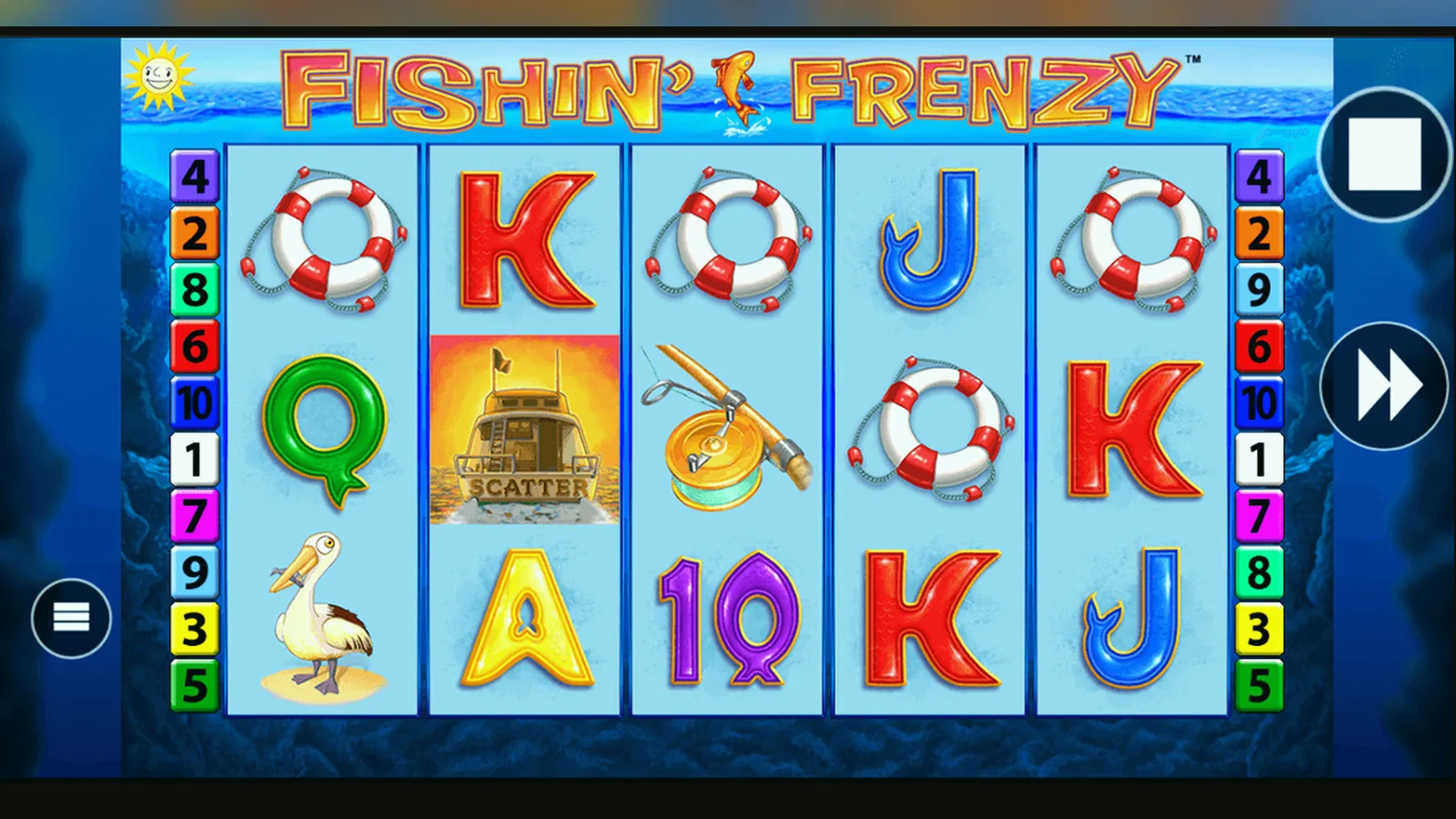
The boat bobs at the top of the screen. You've set a £2 stake, hit spin, and watched four fishing rods land in the base game. The free spins trigger, the fisherman wades in, and every fish he catches adds a prize to the total. That moment — the one where you're deciding whether to raise the stake to £5 for the next hundred spins — is where UK regulation steps in.
Real-money Fishin' Frenzy is legal here if the operator holds a remote licence from the UK Gambling Commission. That licence comes with stake caps, affordability checks from your first £150 in deposits, and a self-exclusion register that locks every licensed site at once. This page walks through what those rules mean when you're choosing where to play, how to register without friction, and what changes for this specific game.
What the Licence Actually Does to Your Session
Every operator serving British players needs a UKGC remote licence. The licence number sits in the footer of the site, and you can match it against the public register at gamblingcommission.gov.uk. That's the first filter: if the number isn't there or doesn't match, the site is illegal to market here and your dispute rights vanish.
The licence brings three constraints that touch Fishin' Frenzy directly:
- Stake caps of £5.00 per spin if you're 25 or older, £2.00 if you're 18–24. The game doesn't know your age — the operator's account system enforces it before you reach the lobby.
- Affordability checks starting from £150 net deposits in a calendar month. The first stage uses credit-reference data; if the operator flags a mismatch between your income and your play, they'll ask for payslips or bank statements. Pass that and you continue; refuse and the account locks.
- GAMSTOP registration: one form blocks every UKGC-licensed site for a minimum of six months. You can't bypass it by opening a second account at a different operator, because the register shares your details across the industry.
Credit cards have been banned for gambling since 2020. You'll deposit with a debit card, PayPal, Apple Pay, Open Banking via Trustly, or paysafecard. The payment method must be in your own name — borrowed cards trigger a compliance review and freeze the withdrawal queue.
Five Operators That Carry the Game — and Where They Stumble
These are market examples, not endorsements. Conditions change, and you should check the site's terms and the UKGC register before you deposit. Each operator below runs Fishin' Frenzy, holds a valid licence, and has a documented weak point.
| Operator | Strong point | Weak point | |
|---|---|---|---|
| Buzz Bingo | Faster Payments withdrawals in under 24 hours after KYC clears; bingo cross-sell if you want a low-volatility break | Bonus wagering at 50× for slots; free-spins offers usually exclude Blueprint games or cap winnings at £100 | → |
| Betfred | Retail heritage means a phone line for disputes; Apple Pay and PayPal deposits instant | Affordability checks start aggressively at £100 in a month for new accounts; first withdrawal drags to 72 hours if documents are queried | → |
| Paddy Power | In-house responsible-gambling dashboard with spending graphs and session timers; withdrawals to PayPal in 4–6 hours | Welcome bonus only applies to the first £10 deposit and expires in seven days; stake caps enforced strictly, no grace period | → |
| Grosvenor | Demo play available without login on the public site; loyalty scheme converts comp points to cash with no wagering | Site speed stutters on mobile during peak evenings; live chat offline between 02:00 and 08:00 GMT | → |
| William Hill | Trustly Open Banking deposits skip card limits; withdrawal history transparent in the account section | KYC demands proof of address even for small deposits; affordability questionnaire pops up at £200 and can pause play mid-session | → |
The pattern: every operator will hit you with KYC, and the first withdrawal always takes longest because the compliance team reviews your documents manually. Budget 24 to 48 hours for that initial check, then expect same-day to two working days for Faster Payments or e-wallet transfers after that.
Choosing Without Stepping on a Rake
The game is identical across operators — same RTP, same reels, same bonus trigger — so the decision comes down to account friction and what happens when you want your money back. Run this checklist before you register:
- Confirm the UKGC licence number in the footer and cross-check it in the public register. Match the operator name exactly; clone sites sometimes list an unrelated licence.
- Look up withdrawal methods and timing in the banking section. If the site only lists card withdrawals and the estimate is five to seven days, expect that timeline on your first cashout. E-wallets and Faster Payments cut that to hours or a working day after KYC.
- Read the bonus terms for wagering requirements and game weightings. Fishin' Frenzy typically contributes 100% to wagering, but some operators cap the bonus bet at £5 or exclude Blueprint titles altogether. A 50× wagering offer on a £10 bonus means you'll spin through £500 before you can withdraw — calculate whether that suits your stake and session length.
- Check whether demo play requires account registration. Sites that gate free play behind login are adding you to a marketing list, and you'll need to verify age even for zero-stakes spins.
- Test live chat or phone support with a pre-deposit question. If you wait fifteen minutes for a canned reply, expect the same delay when you're chasing a withdrawal.
If you've used GAMSTOP in the past, you cannot play on any UKGC site until the exclusion period expires. Unlicensed alternatives have no dispute resolution and no regulatory oversight — you're gambling on whether the operator pays out at all.
Registration, Verification, and Finding the Game
The operator needs your age and identity before you deposit. Here's the sequence:
- Registration: full name as it appears on your ID, date of birth, home address, email, and mobile number. The site cross-references your details with the electoral roll and credit-reference agencies in real time. If the data doesn't match, you'll need to upload a document before you proceed.
- Age verification: most operators clear this automatically using your address and date of birth. If the check fails, you'll upload a photo of your passport, driving licence, or national ID card. Budget five minutes to an hour for manual review.
- Deposit: minimum is usually £10. Choose your payment method — debit card, PayPal, Apple Pay, or Open Banking. The funds appear instantly in your account balance. Credit cards are blocked at the payment-gateway level; trying one wastes time and flags your account for a compliance review.
- Finding Fishin' Frenzy: search the lobby or filter by provider (Blueprint Gaming) and theme (fishing, underwater, or classic slots). The game loads in your browser; no download required. Demo mode — if available — sits next to the real-money button, but many operators only show it after you log in and verify age.
- First withdrawal: before you can cash out, the operator asks for proof of address (utility bill, bank statement, or council tax letter dated within three months). Upload clear scans or photos; blurred documents bounce back and delay the process. The compliance team reviews within 24 to 48 hours, then releases the withdrawal to your chosen method.
Faster Payments to your bank takes a few hours to two working days after approval. E-wallets like PayPal are quicker — often the same day. Debit-card withdrawals stretch to three working days because the payment processor batches them.
What Changes for This Game on UK Sites
Fishin' Frenzy runs in GBP on UKGC-licensed operators. The stake range in the original game stretches from £0.10 to £10.00, but the £5 and £2 caps override the upper end depending on your age. If you're 25 or older, you can stake up to £5.00 per spin; if you're 18–24, the cap drops to £2.00. The game interface doesn't explain this — the operator's account system blocks stakes above your limit before the spin resolves.
Bonus contribution: most operators count Fishin' Frenzy at 100% towards wagering requirements, meaning a £1 stake removes £1 from the balance you need to clear. Some sites cap bonus bets at £5 regardless of the welcome offer, and a few exclude Blueprint games from promotions entirely. Check the terms before you accept a bonus — you'll often move faster and avoid frustration by declining the offer and playing with your deposit alone.
Availability: the game appears on the majority of UKGC sites, but a handful of operators drop Blueprint's catalogue during licence renewals or commercial disputes. If you've joined a site specifically for Fishin' Frenzy, search the lobby before you deposit to confirm it's there.
FAQ
Is real-money Fishin' Frenzy legal in the UK?
Yes, if you play on a site licensed by the UK Gambling Commission. The operator's licence number appears in the footer, and you can verify it in the public register at gamblingcommission.gov.uk. Unlicensed sites are illegal to advertise here, and you have no dispute rights if something goes wrong. Legal play comes with stake caps (£5 or £2 depending on age), affordability checks from £150 deposited in a month, and access to GAMSTOP self-exclusion.
Why does the first withdrawal take so long?
Every UKGC operator must verify your identity and address before releasing funds. You'll upload a photo ID and a proof-of-address document dated within three months. The compliance team reviews these manually, which takes 24 to 48 hours. After that first approval, withdrawals move to the normal timeline: e-wallets in a few hours, Faster Payments in the same day to two working days, debit cards in one to three working days.
Can I play with a credit card?
No. Credit cards have been banned for online gambling in the UK since April 2020. You can deposit with a debit card (Visa or Mastercard), PayPal, Apple Pay, Open Banking via Trustly, or paysafecard. The payment method must be in your own name — using someone else's card locks your account and blocks withdrawals until you resolve the compliance query.
What happens if I deposit £200 in a month?
Operators must run affordability checks when your net deposits cross certain thresholds, starting from £150 in some cases. The first stage uses credit-reference data to estimate your income and compare it to your gambling spend. If the system flags a mismatch, you'll be asked to provide payslips, bank statements, or tax records. Refuse, and the account pauses. Pass, and you continue playing. The threshold varies by operator, but £150 to £200 a month is common for the initial automated check.